

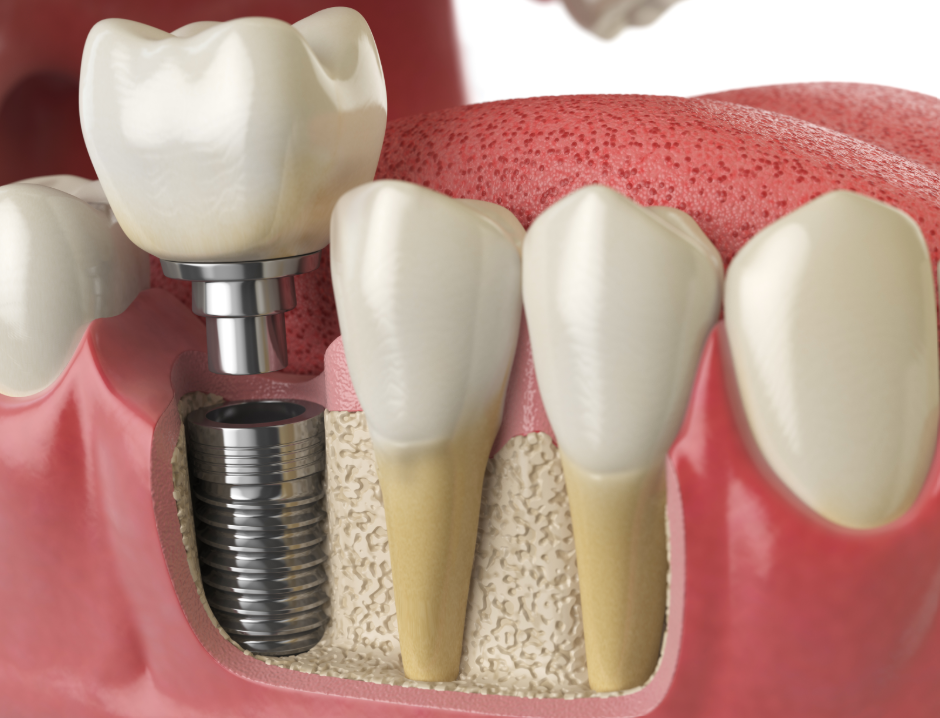
Dental implants have earned a reputation as the gold standard for replacing missing teeth—and for good reason. They look natural, feel comfortable, and function much like real teeth, allowing you to eat, speak, and smile with confidence.
If you’re considering dental implants or already have one, you may be wondering: Can a dental implant get a cavity? The short answer is no—but that doesn’t mean your implant is maintenance-free. Here’s what you should know about protecting your restored smile.
Why Dental Implants Can’t Get Cavities
Cavities develop when bacteria in your mouth produce acids that wear away the enamel covering your natural teeth. Since dental implants are made from materials like titanium and porcelain or ceramic, they don’t contain enamel and can’t decay the way natural teeth do.
That means you won’t need a filling because your implant has a cavity. This is one of the many advantages of choosing implants over other tooth replacement options.
However, it’s important to remember that while the implant itself is immune to decay, the tissues supporting it are still very much alive and need proper care.
Your Gums Still Need Protection
Even though your implant can’t develop a cavity, your gums remain vulnerable to bacteria and infection. If plaque is allowed to build up around an implant, it can lead to inflammation of the surrounding gum tissue. Left untreated, this inflammation may progress into an infection known as peri-implantitis.
Peri-implantitis damages the gums and bone supporting the implant, potentially causing the implant to loosen or even fail. Fortunately, this condition is often preventable with good oral hygiene and routine dental care.
In other words, while you don’t have to worry about tooth decay affecting your implant, you do need to protect the foundation that keeps it securely in place.
Caring for Dental Implants Is Simple
The good news is that maintaining dental implants isn’t complicated. In many ways, you care for them just as you would your natural teeth.
To keep your implant healthy:
- Brush twice a day using a soft-bristled toothbrush.
- Floss daily, paying close attention to the area around the implant.
- Consider using floss threaders or other cleaning aids if recommended by your dentist.
- Eat a balanced diet that supports healthy gums.
- Visit your dentist regularly for professional cleanings and examinations.
Routine dental visits allow your dentist to monitor the health of both your implant and the surrounding tissues, catching any potential problems before they become serious.
Don’t Forget About Your Natural Teeth
If you have both natural teeth and dental implants, remember that your remaining teeth can still develop cavities. Even if one tooth has been replaced with an implant, the rest of your smile still requires protection from decay.
Brushing, flossing, limiting sugary snacks and drinks, and attending regular dental checkups help keep your entire mouth healthy—not just your implant.
Dental implants may be resistant to cavities, but they’re not immune to neglect. With consistent oral hygiene and regular professional care, your implant can remain healthy, functional, and beautiful for many years to come.
About the Practice
Dr. George T. Philip has been providing compassionate, personalized dental care to families in the Sunnyvale area since 2004. A lifelong Texas resident, he is committed to helping patients make informed decisions by taking the time to explain their treatment options and recommend care that best fits their individual needs. Through continuing education and a patient-first approach, Dr. Philip offers modern, comprehensive dentistry in a welcoming environment where patients of all ages can feel comfortable.
Call us at (972) 285-6144 or schedule your appointment online.