

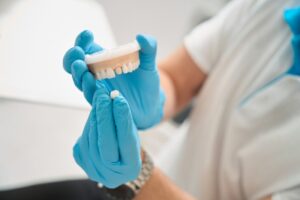
Dental crowns are durable restorations designed to protect damaged teeth and restore their strength, function, and appearance. With proper care, crowns can last many years, but they are not meant to last forever. Over time, normal wear and tear, dental problems, or changes in the mouth may cause a crown to fail or become less effective. Recognizing the warning signs of a failing crown can help prevent further damage and keep your smile healthy.
Here are 4 common signs that your dental crown may need replacing.
1. Pain or Sensitivity Around the Crown
A dental crown should fit comfortably and allow you to chew normally without pain. If you begin experiencing tooth sensitivity, discomfort, or pain around the crowned tooth, it could indicate an underlying issue.
Sensitivity to hot, cold, or pressure may suggest that the crown no longer fits properly or that decay has developed underneath it. In some cases, the cement holding the crown in place may weaken, allowing bacteria to enter and irritate the tooth.
Persistent discomfort should never be ignored, as untreated problems beneath a crown can eventually lead to infection or tooth damage.
2. Visible Damage or Wear
Dental crowns are strong, but they can still chip, crack, or wear down over time. This is especially common in patients who grind their teeth, chew hard foods frequently, or experience trauma to the mouth.
Even small cracks can weaken the crown and make it more vulnerable to further damage. A damaged crown may also expose the underlying tooth to bacteria and decay.
If you notice rough edges, visible fractures, or pieces of the crown breaking off, it is important to schedule a dental evaluation promptly.
3. A Loose or Unstable Crown
A properly fitted dental crown should feel secure and stable. If your crown feels loose, shifts while chewing, or moves when touched, the bond holding it in place may be failing.
A loose crown can trap food particles and bacteria underneath, increasing the risk of decay and gum irritation. In some cases, the crown may even fall off completely if left untreated.
Never attempt to glue a crown back into place yourself. Your dentist can determine whether the crown can be re-cemented or if a replacement is necessary.
4. Changes in Appearance
Changes in the appearance of your crown may also indicate a problem. You might notice discoloration near the gumline, dark lines around the crown, or receding gums exposing the edge of the restoration.
Older crowns, especially porcelain-fused-to-metal crowns, may develop dark visible margins over time. Cosmetic changes can sometimes signal wear, gum recession, or problems with the fit of the crown.
Replacing an aging crown can improve both the appearance and health of your smile.
Dental crowns are designed to protect teeth for many years, but they may eventually require replacement due to wear, damage, or underlying dental issues. Pain, visible cracks, looseness, and cosmetic changes are all signs that your crown should be evaluated by a dentist. Regular dental checkups help detect crown problems early before they become more serious.
About the Author
Dr. George T. Philip earned his Doctor of Dental Medicine degree in 2003 from the Nova Southeastern University College of Dental Medicine in Fort Lauderdale, FL. He consistently takes continuing education courses to stay on top of the latest treatments and developments in the dental field. A Texas native and current resident, Dr. Philip strives to provide his patients with the best care and educate them to help them make well-informed decisions about their treatment. If you have a decayed or damaged tooth that needs repair, we can help with dental crowns! Book online or call our Sunnyvale office at (972) 285-6144.