

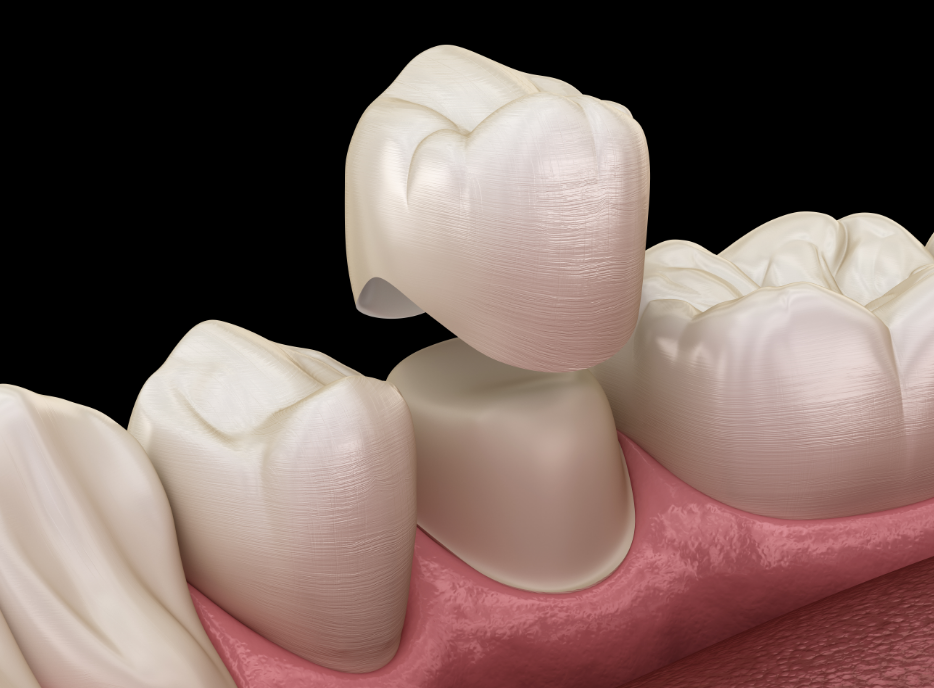
If you’ve never had a dental crown, it’s natural to worry about potential pain. Dental crowns are designed to restore a damaged or decayed tooth, protecting it from further damage while allowing you to chew and smile comfortably. The good news is that, with modern dental techniques and anesthesia, getting a crown is usually pain-free.
Understanding what to expect can help ease anxiety and make your dental visit more comfortable.
What You’ll Feel During the Procedure
The crown procedure begins with numbing the tooth and surrounding area using local anesthesia. Once the area is numb, your dentist will prepare the tooth by removing decay and shaping it to fit the crown. Most patients report feeling pressure or vibrations from dental tools, but not pain.
After preparation, an impression of your tooth is taken to ensure the crown fits precisely. Some dentists place a temporary crown while the permanent one is being fabricated. The temporary may feel slightly bulky at first, but this sensation usually subsides quickly.
Once your permanent crown is ready, it is bonded securely to your tooth. Again, you may feel pressure during placement, but the process should not be painful.
What to Expect After Your Crown Is Placed
Mild sensitivity or soreness is normal for a few days after getting a crown, especially when biting or chewing. Over-the-counter pain relievers and avoiding very hard or sticky foods can help manage this temporary discomfort. If sensitivity persists beyond a week or worsens, it’s important to contact your dentist to ensure the crown is fitting properly.
Why Delaying a Crown Can Increase Pain
Putting off a needed crown can lead to more serious dental problems. Without proper protection, a damaged tooth may crack, decay further, or develop an infection. These complications can be far more painful than the crown procedure itself and may require more extensive treatments such as root canals or extractions.
Getting a crown in a timely manner protects your tooth and prevents the escalation of discomfort, making it a proactive choice for long-term oral health.
Tips for a Comfortable Experience
- Schedule a consultation to discuss any concerns with your dentist beforehand
- Follow your dentist’s instructions for numbing and aftercare
- Use soft foods for the first day or two if your tooth feels sensitive
- Maintain regular oral hygiene to protect both the crown and surrounding teeth
With proper preparation and care, most patients find the crown process straightforward and surprisingly comfortable.
A dental crown protects your tooth and prevents more severe discomfort later, making it a small investment for long-term comfort and oral health.
About the Practice
Dr. George T. Philip and his team provide comprehensive restorative dentistry with a focus on patient comfort and precision. Our practice emphasizes personalized care, from evaluating the need for a crown to ensuring a natural-looking, durable final restoration. By combining advanced techniques with gentle, patient-centered service, we help patients maintain strong, healthy teeth and a confident smile.
Call us at (972) 285-6144 or request an appointment online.